The Ultimate Guide to Shopping for Guitar Cables
Category : fguitars | Sub Category : fguitars Posted on 2023-10-30 21:24:53
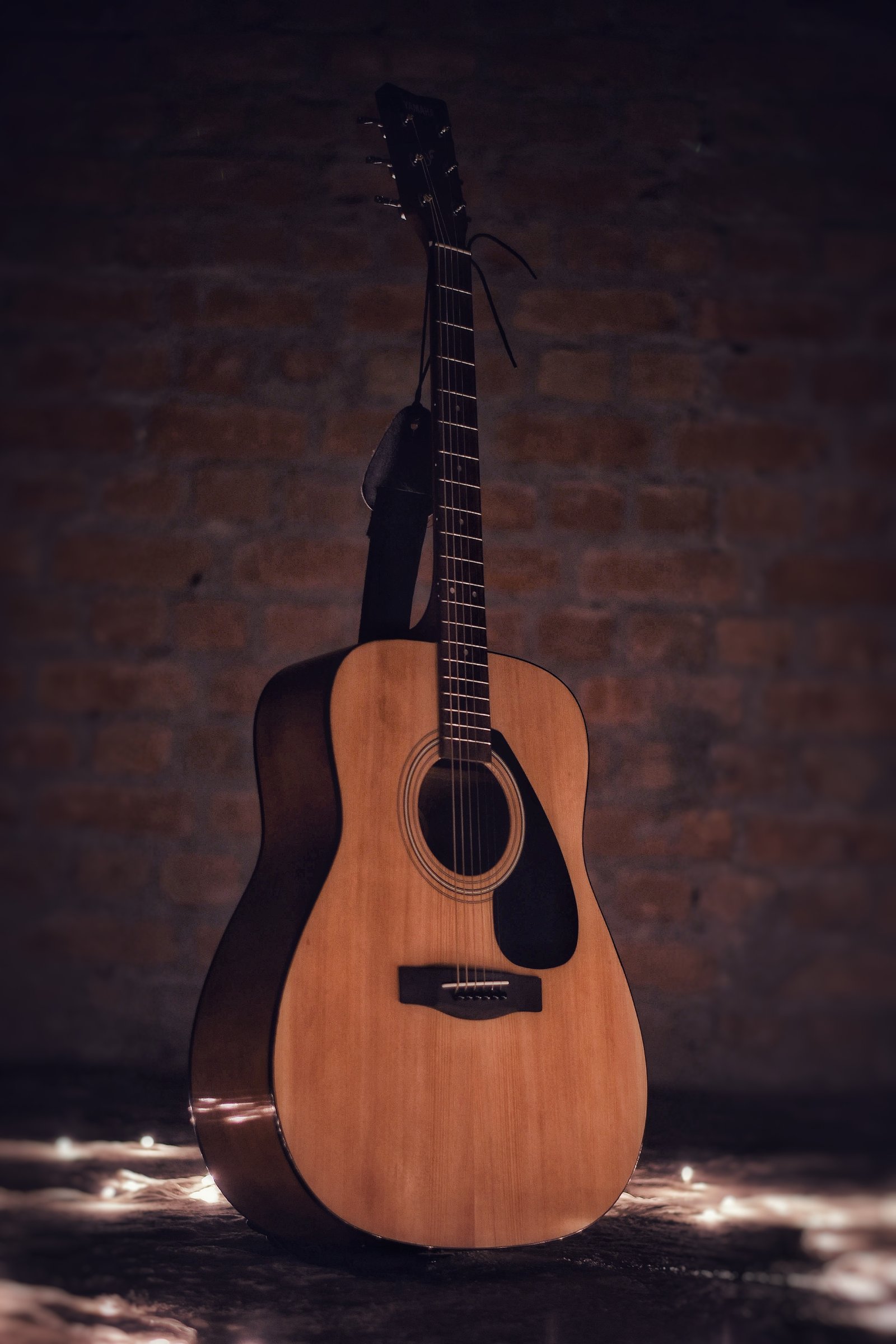
Introduction: As a guitarist, you know that a high-quality cable is an essential accessory for achieving the best sound possible. However, with so many options available in the market, finding the right guitar cable can be overwhelming. In this comprehensive guide, we will walk you through everything you need to know about shopping for guitar cables. 1. Understanding Guitar Cables: Before diving into the shopping process, it's crucial to understand the basics of guitar cables. A guitar cable is a connection that carries the signal from your guitar to the amplifier or other audio equipment. These cables consist of a conductor, shielding, and connectors. The quality of these components plays a significant role in determining the overall sound quality. 2. Types of Guitar Cables: There are several types of guitar cables to choose from, each offering different features and benefits. Here are some of the most common types: a) Standard Cables: These are the most basic and affordable guitar cables available in the market. They typically have a single conductor and minimal shielding, providing a decent sound quality for beginners or casual players. b) Braided Cables: Braided cables are known for their durability and flexibility. They have multiple conductors and enhanced shielding, resulting in better noise rejection and overall sound quality. c) Coiled Cables: Coiled cables are popular among guitarists who like to move around on stage. They offer extra length when stretched out but also retract neatly when not in use. However, the coiled design may lead to some signal loss over long distances. 3. Length and Thickness: When shopping for a guitar cable, length and thickness are two important factors to consider. The length you choose depends on your playing style and stage setup. For instance, if you're playing in a studio or at home, a shorter cable might suffice, while longer cables are necessary for bigger stage performances. As for thickness, generally, thicker cables offer better signal quality and durability, but they can also be less flexible and heavier. 4. Connectors: The connectors at both ends of the guitar cable are critical for proper signal transmission. The two primary types of connectors used are 1/4" inch plugs and XLR connectors. 1/4" plugs are the most common and are compatible with most guitars and amplifiers. XLR connectors are typically used in professional studio setups or for microphones. 5. Shielding and Noise Reduction: Guitar cables with quality shielding help reduce unwanted interference, such as hum or buzz, resulting in a cleaner sound. Look for cables that have braided conductors or added layers of shielding to minimize noise. 6. Budget and Brand: There is a wide range of price points when it comes to guitar cables. While it may be tempting to opt for the cheapest option, keep in mind that investing in a higher-quality cable will ensure better durability, sound quality, and reliability. Some well-known brands in the market include Mogami, Planet Waves, and Monster. Conclusion: Finding the right guitar cable is crucial for any guitarist looking to achieve an optimal sound experience. By considering factors like cable types, length, thickness, connectors, shielding, and your budget, you can make an informed decision when shopping for guitar cables. Remember, investing in a high-quality cable will pay off in the long run, enhancing your overall playing experience and making sure your sound is delivered with the utmost clarity. Happy shopping! Seeking expert advice? Find it in http://www.bestshopcart.com
Leave a Comment:
SEARCH
Recent News
- Zurich, Switzerland is a vibrant city known for its rich cultural scene and diverse music offerings. One unique aspect of Zurich's music scene is the presence of Sudanese music, which has found a home in the city's melting pot of cultures.
- Visiting Zurich, Switzerland, can be an enriching experience for music lovers from all corners of the world. While the city may not be the first place that comes to mind when thinking about South African music, Zurich's diverse music scene offers a glimpse into the vibrant sounds of this African nation.
- Zurich, Switzerland is a vibrant city known for its stunning architecture, picturesque landscapes, and rich culture. One aspect of Zurich's cultural scene that often goes under the radar is its regional music. The city and its surrounding areas are home to a diverse range of musical styles, reflecting the multiculturalism and artistic diversity of the region.
- Zurich, Switzerland: Discovering the Vibrant Norwegian Music Scene
- Zurich, Switzerland: A Hub for Estonian Music
- YouTube Content Creation and Translation: Bringing Sudanese Music to a Global Audience
- YouTube has become a powerful platform for content creators to share their work with a global audience. One area that has seen significant growth in recent years is the creation and translation of South African music content on the platform. South Africa has a rich and diverse musical landscape, ranging from traditional to modern genres, and YouTube has provided a space for South African artists to showcase their talent to the world.
- YouTube has become a popular platform for content creators to showcase their talents to a global audience. One area of YouTube content creation that has been gaining traction is regional music. With the ability to reach viewers all around the world, YouTube offers a unique opportunity for musicians and artists to share their culture and music with a diverse audience.
READ MORE
3 months ago Category : fguitars

Zurich, Switzerland is a vibrant city known for its rich cultural scene and diverse music offerings. One unique aspect of Zurich's music scene is the presence of Sudanese music, which has found a home in the city's melting pot of cultures.
Read More →3 months ago Category : fguitars

Visiting Zurich, Switzerland, can be an enriching experience for music lovers from all corners of the world. While the city may not be the first place that comes to mind when thinking about South African music, Zurich's diverse music scene offers a glimpse into the vibrant sounds of this African nation.
Read More →3 months ago Category : fguitars

Zurich, Switzerland is a vibrant city known for its stunning architecture, picturesque landscapes, and rich culture. One aspect of Zurich's cultural scene that often goes under the radar is its regional music. The city and its surrounding areas are home to a diverse range of musical styles, reflecting the multiculturalism and artistic diversity of the region.
Read More →3 months ago Category : fguitars
