Programming and the Evolution of Guitar History
Category : fguitars | Sub Category : fguitars Posted on 2023-10-30 21:24:53
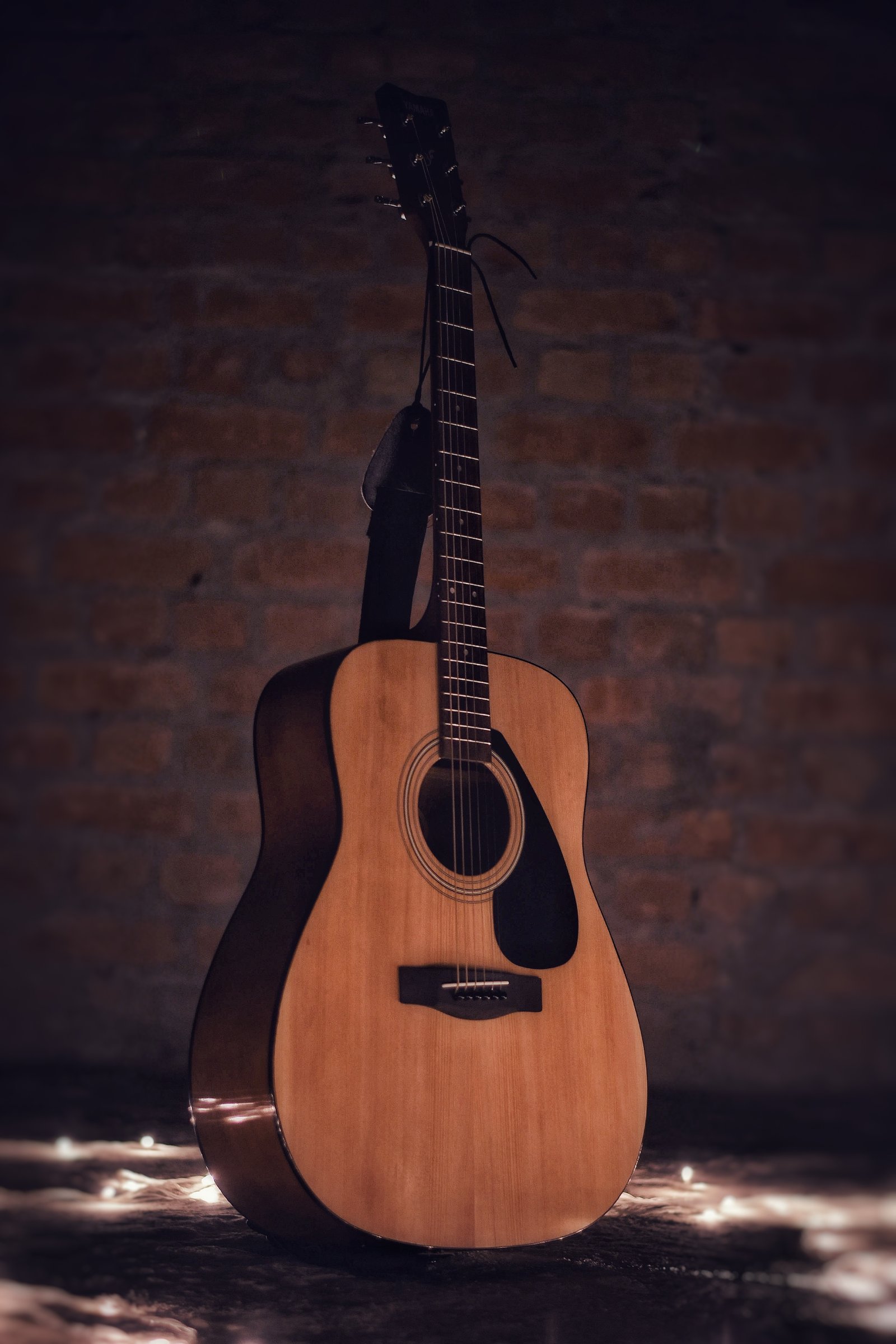
Introduction: Guitar playing and programming may seem like two completely unrelated fields, but the evolution of guitar history has been greatly influenced by technology. From the invention of the electric guitar to modern effects pedals, programming has played a significant role in shaping the way we play and create music. In this blog post, we will explore the intersection of programming and guitar history, highlighting key developments and innovations that have revolutionized the world of guitar playing. 1. The Birth of the Electric Guitar: How Programming Transformed Sound The development of the electric guitar in the 1930s paved the way for a new era in guitar history. By using electromagnetic pickups to convert the vibrations of the strings into electrical signals, musicians were able to amplify and shape their sound like never before. This innovation required programming and technical expertise to design the complex circuitry that would capture and process the guitar's sound accurately. Programming helped fine-tune the tonal qualities of electric guitars, enabling musicians to experiment with different sounds and create new genres of music. 2. Effects Pedals: Unleashing Creativity Through Programming Effects pedals have become a crucial tool for guitarists, allowing them to add depth, texture, and various tonal effects to their playing. These devices, whether analog or digital, rely heavily on programming to manipulate the sound signal in real-time. From classic effects like reverb and distortion to more complex modulations like phasers and delays, programming has been integral in designing and implementing these effects into compact stompbox pedals that guitarists can easily incorporate into their setups. 3. Digital Audio Workstations (DAWs): Programming in Guitar Recording and Production With the rise of digital audio workstations (DAWs), programming has empowered musicians to become their own producers. DAWs offer a range of tools and virtual effects that simulate the sound of traditional hardware processors, amplifiers, and cabinets. Guitarists can now create entire songs and albums using software-based amp simulations, virtual effects, and programming techniques such as MIDI sequencing. This technological advancement has democratized the recording and production process, allowing guitarists of all levels to create professional-sounding recordings from the comfort of their own homes. 4. Guitar Effects Plugins: An Infinite World of Sound Design Beyond hardware effects pedals, guitarists now have access to a vast array of software-based effects plugins. These plugins, often used within DAWs or as standalone software, offer limitless possibilities for sound design and experimentation. Programmers play a crucial role in developing these plugins, creating algorithms and interfaces that allow guitarists to sculpt their tone with precision and replicate iconic sounds from the past. With plugins, guitarists can explore endless combinations of effects and programming parameters, expanding their sonic palette and pushing the boundaries of what is possible in guitar playing. 5. The Future of Guitar Programming As technology continues to advance at a rapid pace, the future of guitar programming looks promising. Machine learning algorithms and artificial intelligence (AI) are increasingly being integrated into guitar-related software and hardware. Companies are developing smart pedals that adapt their settings based on the player's style and genre, and AI-powered tone libraries that use machine learning to analyze and replicate the sound of legendary guitarists. These advancements are transforming the way guitarists approach their instrument and the creative process, allowing for more intuitive and expressive playing experiences. Conclusion: Programming has become an indispensable factor in the evolution of guitar history. From the birth of the electric guitar to the development of effects pedals, digital audio workstations, and guitar plugins, programming has played a pivotal role in transforming the way guitarists create, record, and perform music. Who knows where the future will take us, but one thing is certain programming will continue to shape the world of guitar playing for years to come. Seeking more information? The following has you covered. http://www.lifeafterflex.com For the latest research, visit http://www.rubybin.com Dive into the details to understand this topic thoroughly. http://www.droope.org also this link is for more information http://www.grauhirn.org
Leave a Comment:
SEARCH
Recent News
- Zurich, Switzerland is a vibrant city known for its rich cultural scene and diverse music offerings. One unique aspect of Zurich's music scene is the presence of Sudanese music, which has found a home in the city's melting pot of cultures.
- Visiting Zurich, Switzerland, can be an enriching experience for music lovers from all corners of the world. While the city may not be the first place that comes to mind when thinking about South African music, Zurich's diverse music scene offers a glimpse into the vibrant sounds of this African nation.
- Zurich, Switzerland is a vibrant city known for its stunning architecture, picturesque landscapes, and rich culture. One aspect of Zurich's cultural scene that often goes under the radar is its regional music. The city and its surrounding areas are home to a diverse range of musical styles, reflecting the multiculturalism and artistic diversity of the region.
- Zurich, Switzerland: Discovering the Vibrant Norwegian Music Scene
- Zurich, Switzerland: A Hub for Estonian Music
- YouTube Content Creation and Translation: Bringing Sudanese Music to a Global Audience
- YouTube has become a powerful platform for content creators to share their work with a global audience. One area that has seen significant growth in recent years is the creation and translation of South African music content on the platform. South Africa has a rich and diverse musical landscape, ranging from traditional to modern genres, and YouTube has provided a space for South African artists to showcase their talent to the world.
- YouTube has become a popular platform for content creators to showcase their talents to a global audience. One area of YouTube content creation that has been gaining traction is regional music. With the ability to reach viewers all around the world, YouTube offers a unique opportunity for musicians and artists to share their culture and music with a diverse audience.
READ MORE
3 months ago Category : fguitars

Zurich, Switzerland is a vibrant city known for its rich cultural scene and diverse music offerings. One unique aspect of Zurich's music scene is the presence of Sudanese music, which has found a home in the city's melting pot of cultures.
Read More →3 months ago Category : fguitars

Visiting Zurich, Switzerland, can be an enriching experience for music lovers from all corners of the world. While the city may not be the first place that comes to mind when thinking about South African music, Zurich's diverse music scene offers a glimpse into the vibrant sounds of this African nation.
Read More →3 months ago Category : fguitars

Zurich, Switzerland is a vibrant city known for its stunning architecture, picturesque landscapes, and rich culture. One aspect of Zurich's cultural scene that often goes under the radar is its regional music. The city and its surrounding areas are home to a diverse range of musical styles, reflecting the multiculturalism and artistic diversity of the region.
Read More →3 months ago Category : fguitars
