Unleash Your Inner Rockstar: Combining Kitchens and Guitar Effects Pedals
Category : fguitars | Sub Category : fguitars Posted on 2023-10-30 21:24:53
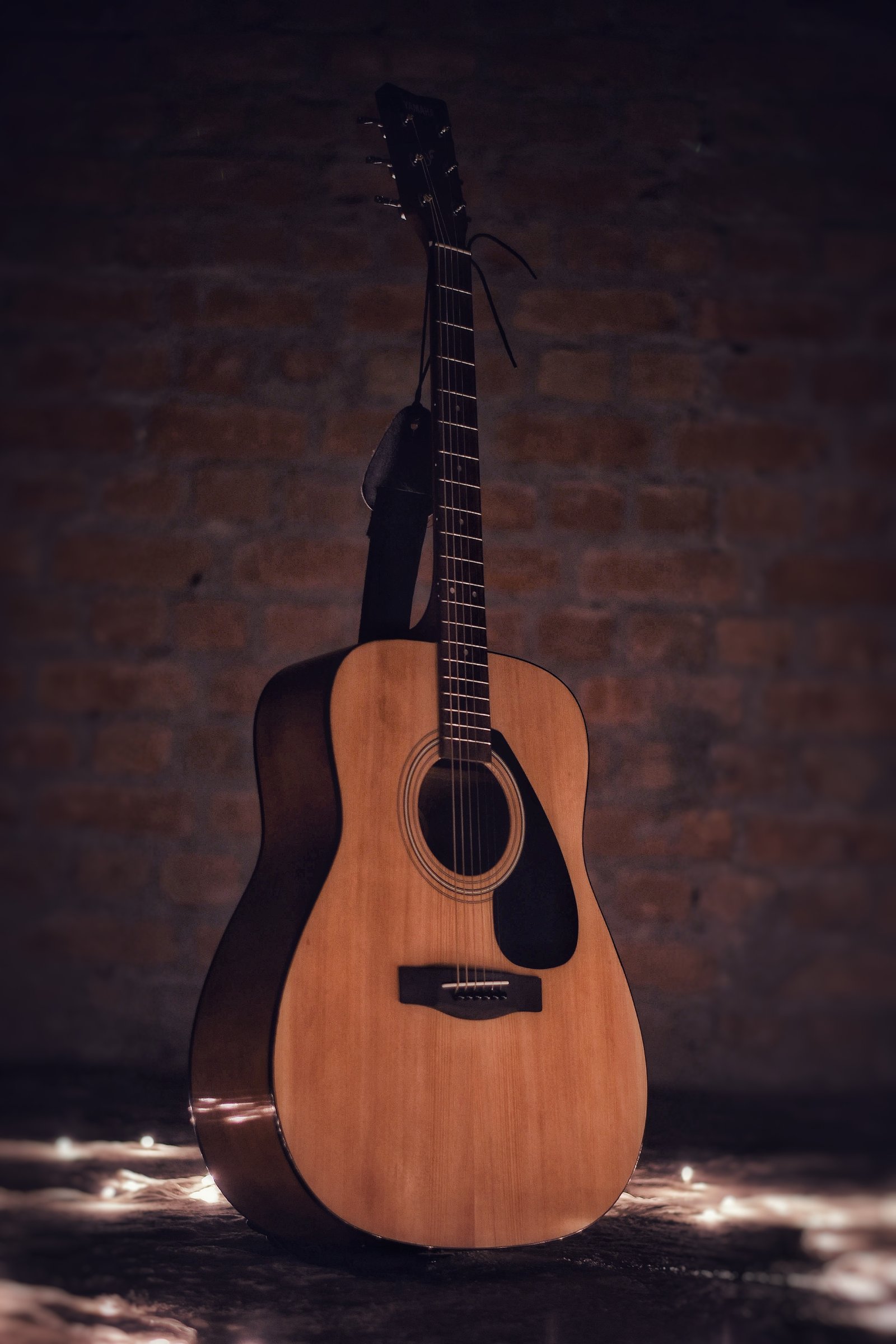
Introduction: When it comes to creating incredible sounds, musicians are always searching for ways to enhance their performances. And while the kitchen may not typically come to mind when thinking about music, it turns out it can be an unexpected treasure trove for an aspiring rockstar. By integrating the magical world of guitar effects pedals into your culinary domain, you can unlock a whole new level of creativity and musical prowess. In this article, we will explore how you can combine your kitchen and guitar effects pedals for a unique musical experience. 1. The Science Behind Guitar Effects Pedals: Before we dive into the kitchen aspect, let's have a quick refresher on guitar effects pedals. These devices alter the sound of an electric guitar to create various sound effects. They can range from simple effects like distortion, chorus, or reverb to more complex ones such as delay, phaser, or flanger. By manipulating the sound signal, guitar effects pedals add depth, texture, and character to guitar playing. 2. Unconventional Sound Sources in the Kitchen: The kitchen is a vibrant place filled with all sorts of objects that can be used to create unique sounds. From pots and pans to cutting boards and glass bottles, everyday kitchen items can be transformed into musical instruments. Experiment by tapping, scraping, or striking these objects to produce interesting percussive sounds. By running these sounds through your guitar effects pedals, you can add a whole new dimension to your music. 3. Creative Ways to Utilize Kitchen Sounds with Guitar Effects Pedals: a. Sample and Loop: Record the sound of objects in your kitchen and loop them through your effects pedals. You can create mesmerizing layers of rhythmic patterns or atmospheric textures by repeating and manipulating these sounds. b. Reverb and Echo: Experiment with adding reverb and echo effects to the sounds you generate in the kitchen. The metallic resonance of pots, pans, or even the running water can create spacious and ethereal tones when processed with these effects. c. Distortion and Overdrive: Take your kitchen sounds to new levels by applying distortion or overdrive effects. This adds intensity and a gritty edge to your otherwise mundane kitchen sounds, turning them into powerful elements in your compositions. d. Pitch-shifting and Modulation: Get experimental by pitch-shifting or modulating the kitchen sounds. By altering the pitch or adding subtle vibrato effects, you can create fascinating and unique melodies that will make your music stand out. 4. Combining Musical Instruments with Kitchen Sounds: Beyond using kitchen objects as sound sources, you can also combine your traditional musical instruments, such as guitars or keyboards, with the sounds you create in the kitchen. Connect your guitar to the effects pedals and play along with the kitchen sounds to create intricate and layered compositions, blending conventional and unconventional sonic elements. Conclusion: The marriage of kitchens and guitar effects pedals can be an incredible journey of discovery for any musician looking to expand their sonic horizons. By exploring the sounds of the kitchen, harnessing the power of guitar effects pedals, and combining them with traditional instruments, the possibilities for creativity are endless. So, next time you find yourself in the kitchen, don't hesitate to embrace the musical potential that lies within and unleash your inner rockstar. Discover more about this topic through http://www.bkitchens.com
Leave a Comment:
SEARCH
Recent News
- Zurich, Switzerland is a vibrant city known for its rich cultural scene and diverse music offerings. One unique aspect of Zurich's music scene is the presence of Sudanese music, which has found a home in the city's melting pot of cultures.
- Visiting Zurich, Switzerland, can be an enriching experience for music lovers from all corners of the world. While the city may not be the first place that comes to mind when thinking about South African music, Zurich's diverse music scene offers a glimpse into the vibrant sounds of this African nation.
- Zurich, Switzerland is a vibrant city known for its stunning architecture, picturesque landscapes, and rich culture. One aspect of Zurich's cultural scene that often goes under the radar is its regional music. The city and its surrounding areas are home to a diverse range of musical styles, reflecting the multiculturalism and artistic diversity of the region.
- Zurich, Switzerland: Discovering the Vibrant Norwegian Music Scene
- Zurich, Switzerland: A Hub for Estonian Music
- YouTube Content Creation and Translation: Bringing Sudanese Music to a Global Audience
- YouTube has become a powerful platform for content creators to share their work with a global audience. One area that has seen significant growth in recent years is the creation and translation of South African music content on the platform. South Africa has a rich and diverse musical landscape, ranging from traditional to modern genres, and YouTube has provided a space for South African artists to showcase their talent to the world.
- YouTube has become a popular platform for content creators to showcase their talents to a global audience. One area of YouTube content creation that has been gaining traction is regional music. With the ability to reach viewers all around the world, YouTube offers a unique opportunity for musicians and artists to share their culture and music with a diverse audience.
READ MORE
3 months ago Category : fguitars

Zurich, Switzerland is a vibrant city known for its rich cultural scene and diverse music offerings. One unique aspect of Zurich's music scene is the presence of Sudanese music, which has found a home in the city's melting pot of cultures.
Read More →3 months ago Category : fguitars

Visiting Zurich, Switzerland, can be an enriching experience for music lovers from all corners of the world. While the city may not be the first place that comes to mind when thinking about South African music, Zurich's diverse music scene offers a glimpse into the vibrant sounds of this African nation.
Read More →3 months ago Category : fguitars

Zurich, Switzerland is a vibrant city known for its stunning architecture, picturesque landscapes, and rich culture. One aspect of Zurich's cultural scene that often goes under the radar is its regional music. The city and its surrounding areas are home to a diverse range of musical styles, reflecting the multiculturalism and artistic diversity of the region.
Read More →3 months ago Category : fguitars
