The Rise of Guitar Deepfakes and Dealing with Misinformation
Category : fguitars | Sub Category : fguitars Posted on 2023-10-30 21:24:53
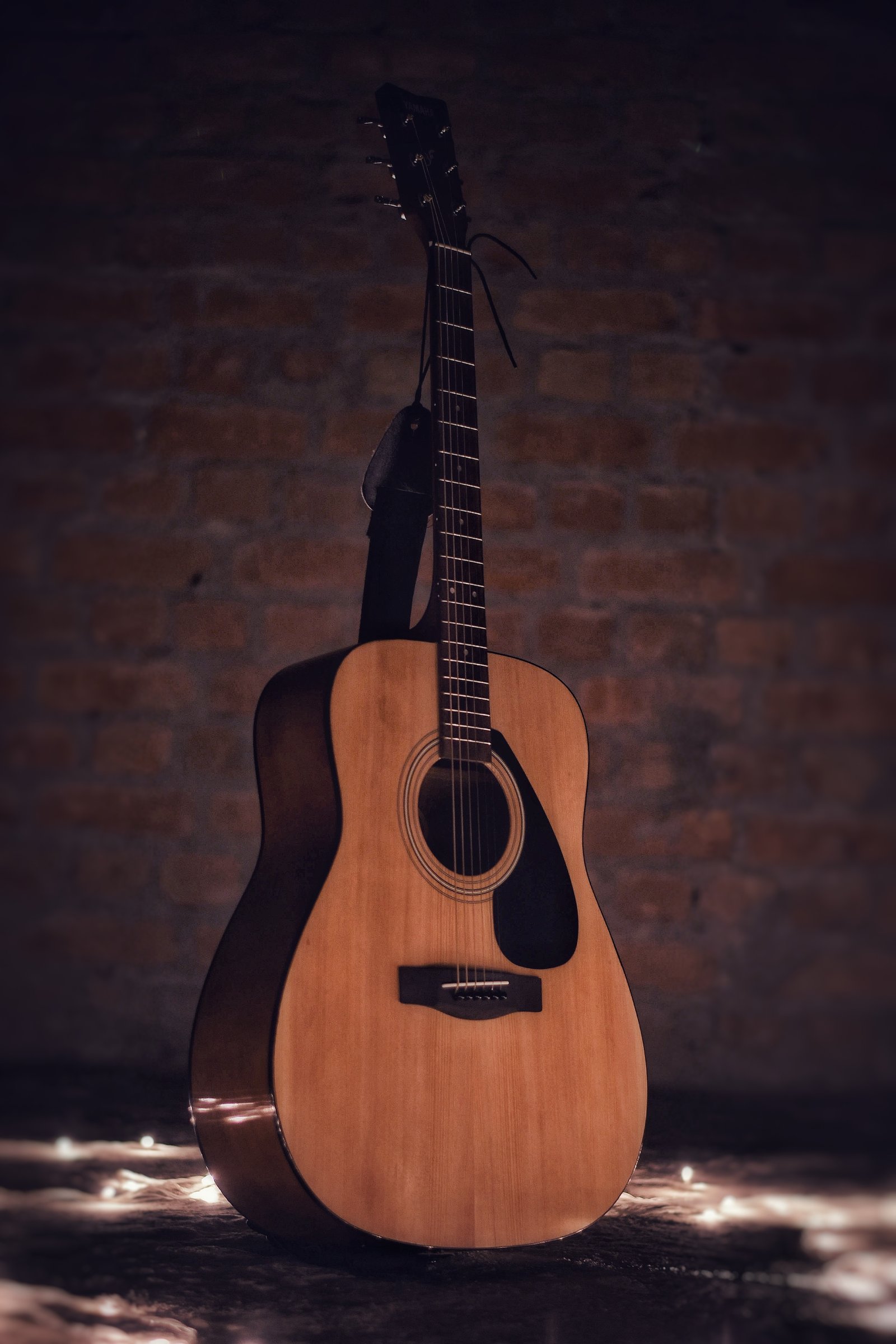
Introduction: In recent years, deepfake technology has gained considerable attention, and its impact is being felt across various industries. The music world, including the guitar community, is not immune to this phenomenon. Guitar deepfakes and the spread of misinformation have become pressing concerns for musicians and enthusiasts alike. In this blog post, we will delve into the world of guitar deepfakes and explore ways to navigate the prevalent issue of misinformation. Understanding Guitar Deepfakes: Deepfake technology refers to the use of artificial intelligence (AI) and machine learning algorithms to manipulate or fabricate audio, video, or images, making them appear genuine but entirely falsified. In the context of guitars, this technology has been used to create incredibly convincing videos of guitar playing, often featuring renowned guitarists purportedly showcasing their skills. The Impact of Guitar Deepfakes: While guitar deepfakes can be entertaining and impressive from a technical standpoint, they have raised concerns within the guitar community. The main issue lies in the potential misrepresentation of an artist's abilities. These deepfakes can deceive viewers into believing that a guitarist possesses a level of skill, dexterity, or musicality that may be far beyond reality. This can lead to unrealistic expectations, unfair comparisons, and even discourage aspiring guitarists. Dealing with Misinformation: 1. Education and Awareness: The first step in combating misinformation within the guitar community is education. It is crucial for musicians and enthusiasts to familiarize themselves with deepfake technology and understand its potential implications. By being aware of the existence and capabilities of guitar deepfakes, individuals can approach online content with a critical eye. 2. Verify Reliable Sources: When seeking inspiration, lessons, or performances online, it is important to verify the credibility of the sources. Trusted platforms, such as reputable music schools, official artist websites, or well-known guitar tutorial channels, are more likely to provide accurate representations of guitar playing. Double-checking the authenticity of the content can help in avoiding falling victim to misleading deepfakes. 3. Community Collaboration: The guitar community can play a crucial role in combatting the spread of misinformation. By engaging in discussions, sharing experiences, and collaborating with fellow guitarists, musicians can collectively identify and refute misleading deepfake content. Creating a supportive network where individuals share reliable sources and resources can contribute significantly to combating the problem. 4. Trusting the Process: Learning guitar is a journey, and it takes time, effort, and patience to develop skills. It is essential to remember that no deepfake technology can replicate the emotional connection, musical interpretation, and personal style that an experienced guitarist brings to their playing. Trusting the process and focusing on one's own growth and improvement will help combat the unrealistic expectations set by guitar deepfakes. Conclusion: Guitar deepfakes and the proliferation of misinformation present a challenge to the guitar community. By educating ourselves about deepfake technology, verifying sources, collaborating within the community, and trusting the process of skill development, we can navigate the world of guitar deepfakes more effectively. As technology continues to advance, it is our collective responsibility to ensure the integrity of the music we love and the skills we seek to cultivate. Discover new insights by reading http://www.semifake.com
Leave a Comment:
SEARCH
Recent News
- Zurich, Switzerland is a vibrant city known for its rich cultural scene and diverse music offerings. One unique aspect of Zurich's music scene is the presence of Sudanese music, which has found a home in the city's melting pot of cultures.
- Visiting Zurich, Switzerland, can be an enriching experience for music lovers from all corners of the world. While the city may not be the first place that comes to mind when thinking about South African music, Zurich's diverse music scene offers a glimpse into the vibrant sounds of this African nation.
- Zurich, Switzerland is a vibrant city known for its stunning architecture, picturesque landscapes, and rich culture. One aspect of Zurich's cultural scene that often goes under the radar is its regional music. The city and its surrounding areas are home to a diverse range of musical styles, reflecting the multiculturalism and artistic diversity of the region.
- Zurich, Switzerland: Discovering the Vibrant Norwegian Music Scene
- Zurich, Switzerland: A Hub for Estonian Music
- YouTube Content Creation and Translation: Bringing Sudanese Music to a Global Audience
- YouTube has become a powerful platform for content creators to share their work with a global audience. One area that has seen significant growth in recent years is the creation and translation of South African music content on the platform. South Africa has a rich and diverse musical landscape, ranging from traditional to modern genres, and YouTube has provided a space for South African artists to showcase their talent to the world.
- YouTube has become a popular platform for content creators to showcase their talents to a global audience. One area of YouTube content creation that has been gaining traction is regional music. With the ability to reach viewers all around the world, YouTube offers a unique opportunity for musicians and artists to share their culture and music with a diverse audience.
READ MORE
3 months ago Category : fguitars

Zurich, Switzerland is a vibrant city known for its rich cultural scene and diverse music offerings. One unique aspect of Zurich's music scene is the presence of Sudanese music, which has found a home in the city's melting pot of cultures.
Read More →3 months ago Category : fguitars

Visiting Zurich, Switzerland, can be an enriching experience for music lovers from all corners of the world. While the city may not be the first place that comes to mind when thinking about South African music, Zurich's diverse music scene offers a glimpse into the vibrant sounds of this African nation.
Read More →3 months ago Category : fguitars

Zurich, Switzerland is a vibrant city known for its stunning architecture, picturesque landscapes, and rich culture. One aspect of Zurich's cultural scene that often goes under the radar is its regional music. The city and its surrounding areas are home to a diverse range of musical styles, reflecting the multiculturalism and artistic diversity of the region.
Read More →3 months ago Category : fguitars
