Exploring the Rhythmic Fusion: African Dance and the Guitar
Category : fguitars | Sub Category : fguitars Posted on 2023-10-30 21:24:53
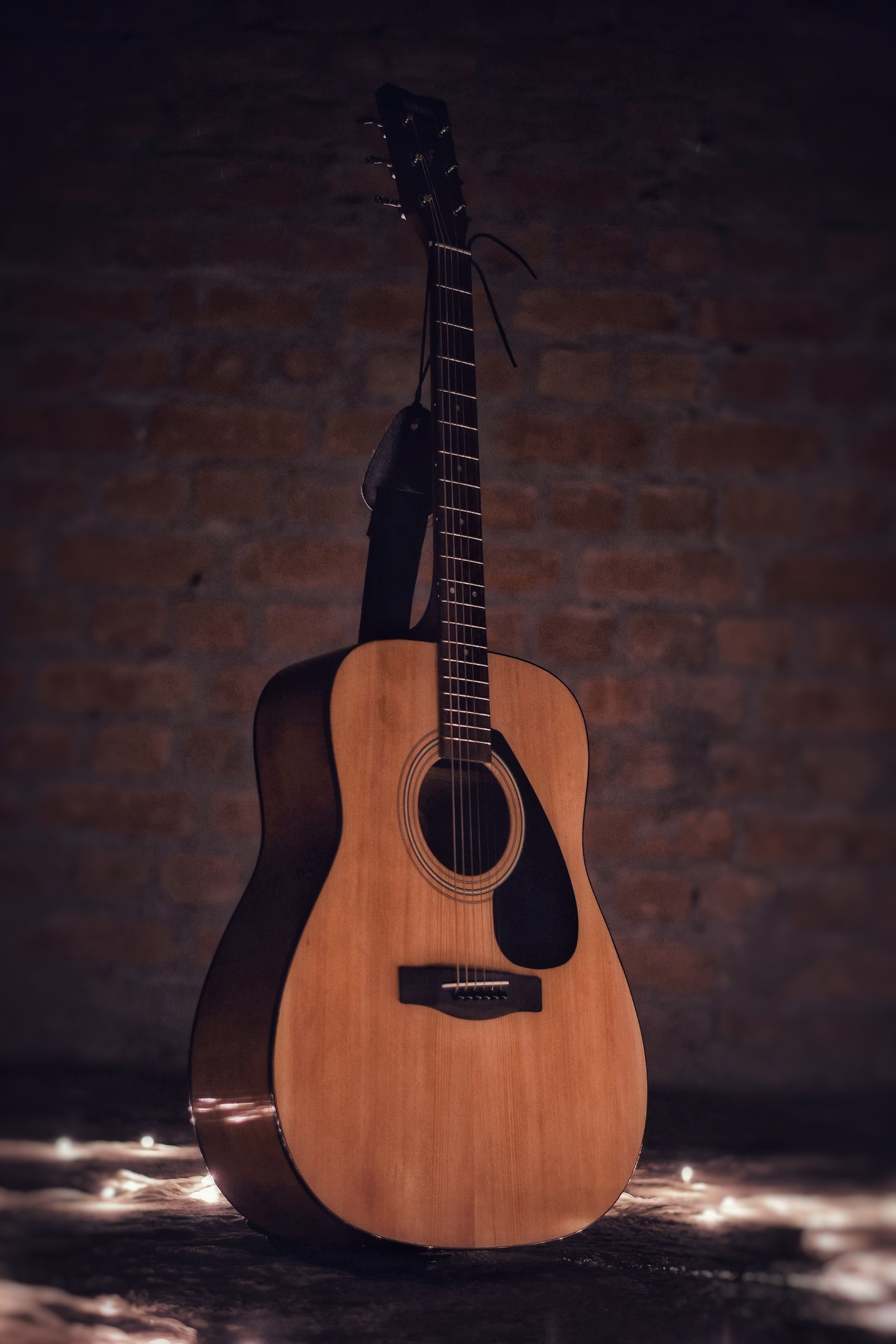
Introduction: The world is filled with diverse and vibrant cultures. Among them, African dance stands out as a celebration of rhythm, movement, and rich traditions. Similarly, the guitar is an instrument that transcends borders and creates a universal language of music. In this blog post, we will delve into the fascinating connection between African dance and the guitar, exploring how these two art forms blend harmoniously to create an exhilarating fusion of rhythm and melody. 1. The Roots of African Dance: African dance is deeply rooted in the rich history and cultural heritage of the continent. Various regions of Africa have their unique dance styles, each telling a story, expressing emotions, and preserving ancestral traditions. From the energetic movements of West African dances, such as the popular Azonto and Kuduro, to the graceful and rhythmic South African dances like Pantsula and Gumboot, the diversity of African dance forms is truly remarkable. 2. The Versatility of the Guitar: The guitar, a versatile and widely popular musical instrument, holds a special place in the hearts of musicians and music enthusiasts worldwide. With its ability to produce both rhythmic elements and melodic lines, the guitar serves as an essential accompaniment in various genres of music. From intricate fingerpicking patterns to vibrant strumming techniques, the guitar's versatility allows it to adapt to various musical styles, making it a perfect instrument for exploring the rhythmic world of African dance. 3. Syncopation and Rhythm: One of the key aspects of African dance is its emphasis on syncopation and intricate rhythmic patterns. Similarly, the guitar, particularly in styles like Afrobeat, highlife, and soukous, plays a vital role in accentuating these rhythmic elements. By employing rhythmic techniques such as palm muting, percussive slaps, and syncopated chords, the guitar adds layers of rhythmic complexity to the music, creating a pulsating and infectious groove that complements the dancers' movements. 4. Melody and Harmonies: While rhythm forms the backbone of African dance, the guitar brings an additional dimension by contributing melodic lines and harmonies to the music. Whether it's playing melodic hooks, improvising solos, or providing chord progressions, the guitar enhances the musical experience, adding depth and emotion. By intertwining intricate melodies with the infectious rhythms of African dance, the guitar acts as a bridge, connecting dancers and musicians in a captivating musical dialogue. 5. Collaborations and Contemporary Expressions: In recent years, collaborations between African dancers and guitarists have brought about an exciting fusion of traditional and contemporary elements. These collaborations have resulted in innovative musical compositions and captivating performances that showcase not only the richness of African dance but also the versatility of the guitar. With the introduction of new technologies and the exploration of diverse musical styles, African dance and the guitar continue to evolve, creating new possibilities for artistic expression and cultural exchange. Conclusion: The fusion of African dance and the guitar creates a mesmerizing and exhilarating musical experience. As dancers fluidly move to the infectious rhythms, the guitar's melodic lines and harmonies add a layer of depth and emotion to the performance. This remarkable blend of rhythm and melody exemplifies the power of artistic collaboration and cultural exchange. By exploring the rhythmic fusion of African dance and the guitar, we celebrate the beauty of diverse cultures coming together to create something truly extraordinary. also this link is for more information http://www.afrospaces.com
Leave a Comment:
SEARCH
Recent News
- Zurich, Switzerland is a vibrant city known for its rich cultural scene and diverse music offerings. One unique aspect of Zurich's music scene is the presence of Sudanese music, which has found a home in the city's melting pot of cultures.
- Visiting Zurich, Switzerland, can be an enriching experience for music lovers from all corners of the world. While the city may not be the first place that comes to mind when thinking about South African music, Zurich's diverse music scene offers a glimpse into the vibrant sounds of this African nation.
- Zurich, Switzerland is a vibrant city known for its stunning architecture, picturesque landscapes, and rich culture. One aspect of Zurich's cultural scene that often goes under the radar is its regional music. The city and its surrounding areas are home to a diverse range of musical styles, reflecting the multiculturalism and artistic diversity of the region.
- Zurich, Switzerland: Discovering the Vibrant Norwegian Music Scene
- Zurich, Switzerland: A Hub for Estonian Music
- YouTube Content Creation and Translation: Bringing Sudanese Music to a Global Audience
- YouTube has become a powerful platform for content creators to share their work with a global audience. One area that has seen significant growth in recent years is the creation and translation of South African music content on the platform. South Africa has a rich and diverse musical landscape, ranging from traditional to modern genres, and YouTube has provided a space for South African artists to showcase their talent to the world.
- YouTube has become a popular platform for content creators to showcase their talents to a global audience. One area of YouTube content creation that has been gaining traction is regional music. With the ability to reach viewers all around the world, YouTube offers a unique opportunity for musicians and artists to share their culture and music with a diverse audience.
READ MORE
3 months ago Category : fguitars

Zurich, Switzerland is a vibrant city known for its rich cultural scene and diverse music offerings. One unique aspect of Zurich's music scene is the presence of Sudanese music, which has found a home in the city's melting pot of cultures.
Read More →3 months ago Category : fguitars

Visiting Zurich, Switzerland, can be an enriching experience for music lovers from all corners of the world. While the city may not be the first place that comes to mind when thinking about South African music, Zurich's diverse music scene offers a glimpse into the vibrant sounds of this African nation.
Read More →3 months ago Category : fguitars

Zurich, Switzerland is a vibrant city known for its stunning architecture, picturesque landscapes, and rich culture. One aspect of Zurich's cultural scene that often goes under the radar is its regional music. The city and its surrounding areas are home to a diverse range of musical styles, reflecting the multiculturalism and artistic diversity of the region.
Read More →3 months ago Category : fguitars
