DIY Home Guitar Effects Pedals: Unleash Your Musical Creativity
Category : fguitars | Sub Category : fguitars Posted on 2023-10-30 21:24:53
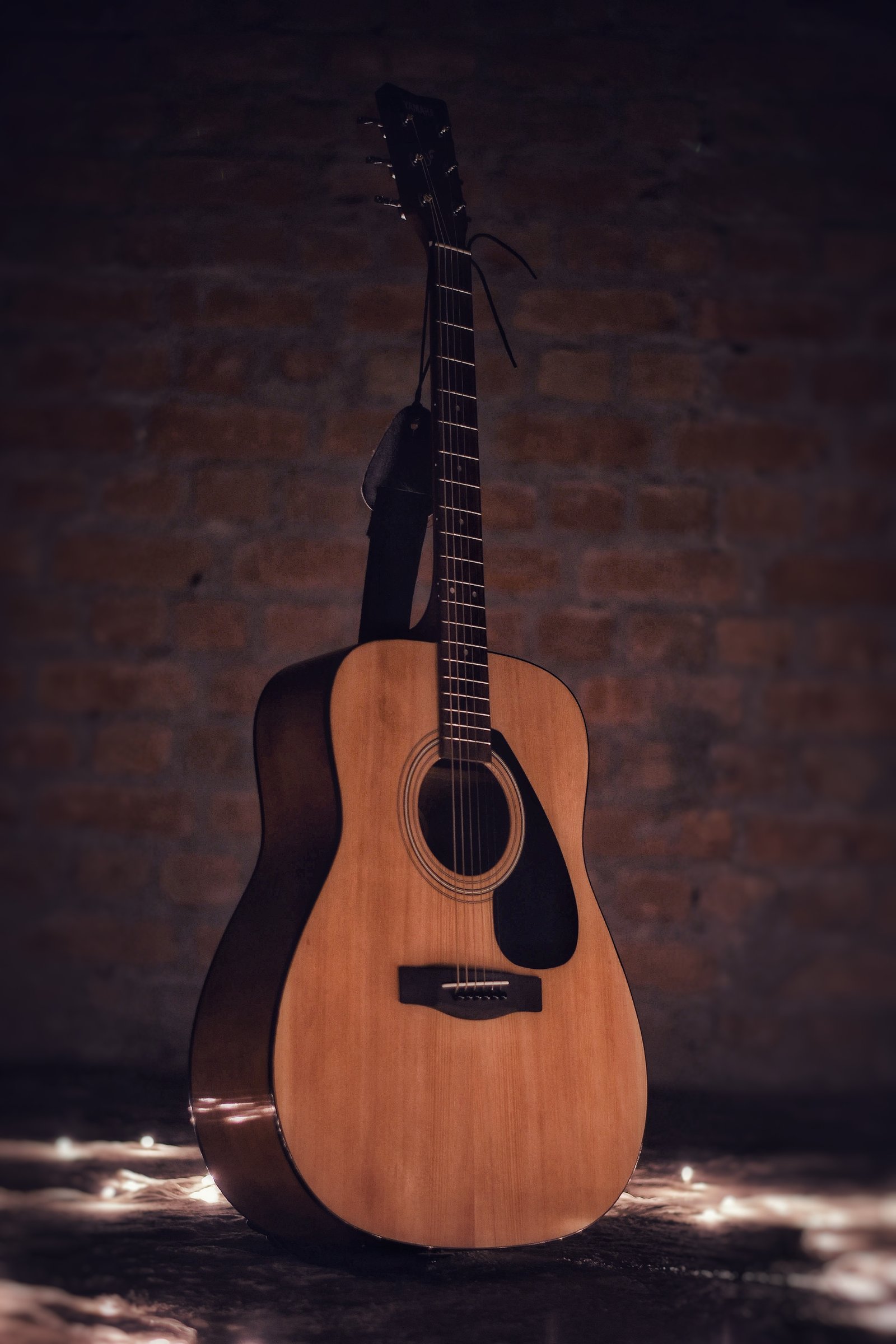
Introduction: If you're a guitar enthusiast who loves to experiment with different tones and effects, then you're probably familiar with the world of guitar effects pedals. These small devices have the power to transform the sound of your guitar, opening up a whole new world of sonic possibilities. While there are countless commercially available options, consider taking your creativity to the next level by building your own DIY home guitar effects pedals. Not only will this save you money, but it will also give you a sense of pride and ownership over your unique tone. 1. Understanding Guitar Effects Pedals: Before diving into the world of DIY guitar effects pedals, it's crucial to gain a basic understanding of how they work. There are three main types of effects pedals: modulation (chorus, flanger, phaser), time-based (delay, reverb), and dynamic (compressor, noise gate). Each of these pedals alters your guitar's signal in a different way, enhancing or modifying certain aspects of your sound. 2. Benefits of DIY Effects Pedals: Building your own guitar effects pedals at home offers several advantages. Firstly, it allows you to customize and fine-tune the sound to your exact preferences. You can choose specific components and make modifications to existing circuit designs, resulting in a pedal that truly suits your unique style. Secondly, DIY pedals can be much more cost-effective than their commercial counterparts, as you're essentially cutting out the middleman by purchasing raw components instead of a pre-packaged unit. Lastly, DIY projects are a fantastic way to develop your technical skills and gain a deeper understanding of guitar electronics. 3. Getting Started: To begin your DIY journey, start by acquiring the necessary tools and components. Some of the basic tools you'll need include a soldering iron, wire cutters, pliers, and a multimeter. As for components, you can find them online or at local electronics stores. There are also DIY pedal kits available, which come with all the necessary parts and detailed instructions. 4. Choosing a Pedal to Build: With countless pedal options available, it can be overwhelming to choose which one to build first. It's advisable to start with a simpler project, such as a distortion or overdrive pedal, before moving on to more advanced ones. Websites and forums dedicated to DIY pedal building can provide valuable guidance and suggestions for beginner-friendly projects. 5. Building and Testing: Once you have all the required components and instructions, it's time to get your hands dirty and start building. Carefully follow the step-by-step instructions, paying attention to soldering techniques and component placement. Ensure that you have a suitable workspace with good ventilation to avoid any health hazards. Remember to test your pedal at each stage of assembly to troubleshoot and address any issues promptly. 6. Experimenting and Modifying: Once you've successfully built your first DIY pedal, the fun really begins. Experiment with different settings and explore the sonic possibilities. Tweaking components, swapping out resistors or capacitors, and even adding extra features are ways to modify your pedal and create your own unique sound. Don't be afraid to get creative and venture beyond the provided instructions. Conclusion: Building DIY home guitar effects pedals not only enhances your musical creativity but also provides a platform for personalization and customization. The sense of accomplishment that comes from playing through a pedal that you built with your own hands is truly rewarding. So, gather your tools, gather your components, and get ready to embark on a journey of sonic exploration that will elevate your guitar playing to new heights. If you're interested in this topic, I suggest reading http://www.svop.org For more info http://www.mimidate.com
Leave a Comment:
SEARCH
Recent News
- Zurich, Switzerland is a vibrant city known for its rich cultural scene and diverse music offerings. One unique aspect of Zurich's music scene is the presence of Sudanese music, which has found a home in the city's melting pot of cultures.
- Visiting Zurich, Switzerland, can be an enriching experience for music lovers from all corners of the world. While the city may not be the first place that comes to mind when thinking about South African music, Zurich's diverse music scene offers a glimpse into the vibrant sounds of this African nation.
- Zurich, Switzerland is a vibrant city known for its stunning architecture, picturesque landscapes, and rich culture. One aspect of Zurich's cultural scene that often goes under the radar is its regional music. The city and its surrounding areas are home to a diverse range of musical styles, reflecting the multiculturalism and artistic diversity of the region.
- Zurich, Switzerland: Discovering the Vibrant Norwegian Music Scene
- Zurich, Switzerland: A Hub for Estonian Music
- YouTube Content Creation and Translation: Bringing Sudanese Music to a Global Audience
- YouTube has become a powerful platform for content creators to share their work with a global audience. One area that has seen significant growth in recent years is the creation and translation of South African music content on the platform. South Africa has a rich and diverse musical landscape, ranging from traditional to modern genres, and YouTube has provided a space for South African artists to showcase their talent to the world.
- YouTube has become a popular platform for content creators to showcase their talents to a global audience. One area of YouTube content creation that has been gaining traction is regional music. With the ability to reach viewers all around the world, YouTube offers a unique opportunity for musicians and artists to share their culture and music with a diverse audience.
READ MORE
3 months ago Category : fguitars

Zurich, Switzerland is a vibrant city known for its rich cultural scene and diverse music offerings. One unique aspect of Zurich's music scene is the presence of Sudanese music, which has found a home in the city's melting pot of cultures.
Read More →3 months ago Category : fguitars

Visiting Zurich, Switzerland, can be an enriching experience for music lovers from all corners of the world. While the city may not be the first place that comes to mind when thinking about South African music, Zurich's diverse music scene offers a glimpse into the vibrant sounds of this African nation.
Read More →3 months ago Category : fguitars

Zurich, Switzerland is a vibrant city known for its stunning architecture, picturesque landscapes, and rich culture. One aspect of Zurich's cultural scene that often goes under the radar is its regional music. The city and its surrounding areas are home to a diverse range of musical styles, reflecting the multiculturalism and artistic diversity of the region.
Read More →3 months ago Category : fguitars
