Build Your Own Guitar Effects Pedals: DIY Experiments for Sonic Exploration
Category : fguitars | Sub Category : fguitars Posted on 2023-10-30 21:24:53
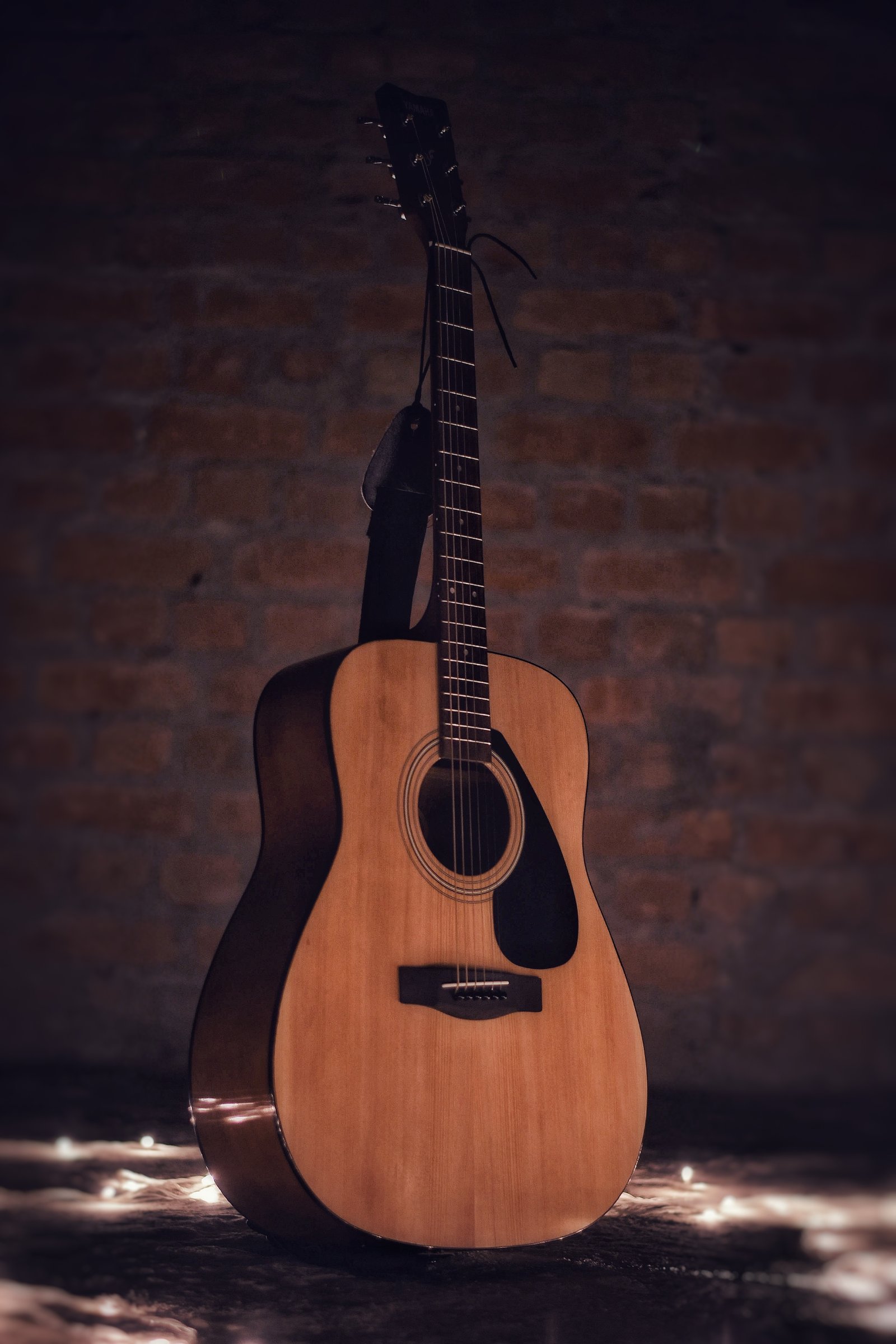
Introduction: If you're a guitar enthusiast looking to delve deeper into the realm of sonic exploration, building your own effects pedals is a fantastic way to add a personalized touch to your sound. DIY experiments with guitar effects pedals not only give you the satisfaction of crafting something with your own hands but also offer infinite possibilities for creating unique tones. In this blog post, we'll guide you through the process of building your own guitar effects pedals, sharing some exciting DIY experiments along the way. Let's dive in! 1. Understanding the Basics of Guitar Effects Pedals: Before embarking on your DIY journey, it's essential to understand the basic components of guitar effects pedals. Key elements typically include resistors, capacitors, transistors, potentiometers, and footswitches. These components control various parameters to shape your guitar's tone, such as distortion, modulation, delay, and reverb. 2. Getting Started: Tools and Materials: To get started with building your own effects pedals, you'll need some tools and materials. Here's a comprehensive list to help you set up your DIY workspace: - Soldering iron and solder - Breadboard or PCB (Printed Circuit Board) - Components such as resistors, capacitors, transistors, diodes, etc. - Enclosure (metal or plastic housing for your pedal) - Wiring and cables - Knobs, switches, and LED indicators - Drill and drill bits for enclosure customization - Multimeter for testing and troubleshooting 3. DIY Experiment #1: Fuzz Pedal: A fuzz pedal is a classic effect that adds distortion and sustain to your guitar's sound. One popular DIY experiment involves building a Fuzz Face clone. Here's a basic circuit schematic to guide you through this project: - Gather the necessary components such as NPN transistors, resistors, capacitors, and potentiometers. - Follow the circuit schematic and assemble the components on a breadboard or PCB. - Test the pedal using your guitar and amplifier, adjusting the potentiometers to achieve your desired fuzz tone. - Once satisfied with the results, transfer the circuit onto a more permanent PCB and place it inside an enclosure. 4. DIY Experiment #2: Chorus Pedal: Another exciting project for DIY enthusiasts is building a chorus pedal. Chorus adds a shimmering, swirling effect to your guitar's sound. Here's a simple DIY experiment for a chorus pedal: - Gather the necessary components such as op-amps, resistors, capacitors, and a dual potentiometer. - Using the circuit schematic, assemble the components on a breadboard or PCB. - Test the pedal with your guitar and amplifier, adjusting the potentiometer to control the depth and speed of the chorus effect. - Transfer the circuit onto a permanent PCB and place it inside an enclosure. 5. Experiment and Customize: One of the joys of building your own guitar effects pedals is the ability to experiment and customize to your heart's content. As you become more comfortable with DIY electronics, don't be afraid to modify existing circuits or design your own. Experiment with different components, tweak values, and combine multiple effects to create something truly unique that complements your playing style. Conclusion: Building your own guitar effects pedals is a rewarding DIY adventure that allows you to shape your guitar's sound to your liking. Whether you start with simple fuzz or chorus pedals or dive into more complex designs, each DIY experiment opens up possibilities for sonic exploration. So go ahead, grab your soldering iron, and embark on this exciting journey of building your own custom effects pedals! Check the link: http://www.improvedia.com
Leave a Comment:
SEARCH
Recent News
- Zurich, Switzerland is a vibrant city known for its rich cultural scene and diverse music offerings. One unique aspect of Zurich's music scene is the presence of Sudanese music, which has found a home in the city's melting pot of cultures.
- Visiting Zurich, Switzerland, can be an enriching experience for music lovers from all corners of the world. While the city may not be the first place that comes to mind when thinking about South African music, Zurich's diverse music scene offers a glimpse into the vibrant sounds of this African nation.
- Zurich, Switzerland is a vibrant city known for its stunning architecture, picturesque landscapes, and rich culture. One aspect of Zurich's cultural scene that often goes under the radar is its regional music. The city and its surrounding areas are home to a diverse range of musical styles, reflecting the multiculturalism and artistic diversity of the region.
- Zurich, Switzerland: Discovering the Vibrant Norwegian Music Scene
- Zurich, Switzerland: A Hub for Estonian Music
- YouTube Content Creation and Translation: Bringing Sudanese Music to a Global Audience
- YouTube has become a powerful platform for content creators to share their work with a global audience. One area that has seen significant growth in recent years is the creation and translation of South African music content on the platform. South Africa has a rich and diverse musical landscape, ranging from traditional to modern genres, and YouTube has provided a space for South African artists to showcase their talent to the world.
- YouTube has become a popular platform for content creators to showcase their talents to a global audience. One area of YouTube content creation that has been gaining traction is regional music. With the ability to reach viewers all around the world, YouTube offers a unique opportunity for musicians and artists to share their culture and music with a diverse audience.
READ MORE
3 months ago Category : fguitars

Zurich, Switzerland is a vibrant city known for its rich cultural scene and diverse music offerings. One unique aspect of Zurich's music scene is the presence of Sudanese music, which has found a home in the city's melting pot of cultures.
Read More →3 months ago Category : fguitars

Visiting Zurich, Switzerland, can be an enriching experience for music lovers from all corners of the world. While the city may not be the first place that comes to mind when thinking about South African music, Zurich's diverse music scene offers a glimpse into the vibrant sounds of this African nation.
Read More →3 months ago Category : fguitars

Zurich, Switzerland is a vibrant city known for its stunning architecture, picturesque landscapes, and rich culture. One aspect of Zurich's cultural scene that often goes under the radar is its regional music. The city and its surrounding areas are home to a diverse range of musical styles, reflecting the multiculturalism and artistic diversity of the region.
Read More →3 months ago Category : fguitars
