Protecting Your Data Privacy: Everything You Need to Know About Guitar Cables
Category : fguitars | Sub Category : fguitars Posted on 2023-10-30 21:24:53
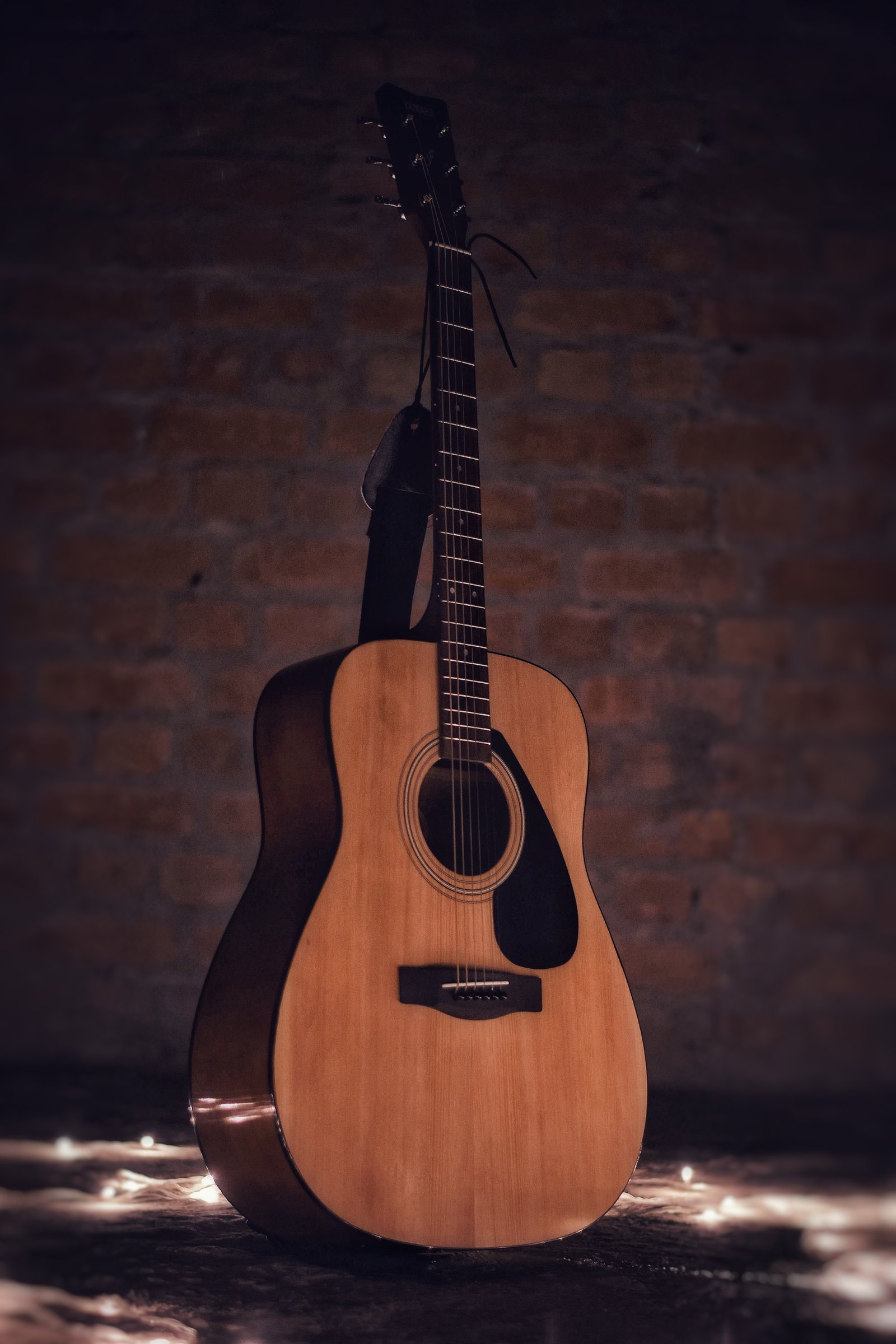
Introduction: In the digital age, data privacy has become a significant concern for all aspects of our lives, including the realm of music. While guitarists typically focus on perfecting their playing skills and finding the perfect tone, it's important not to overlook the potential risks to your data privacy that can arise from using guitar cables. In this article, we will explore the importance of data privacy, the potential risks associated with guitar cables, and tips for protecting your information. Understanding Data Privacy: Data privacy refers to the protection of personal or sensitive information from unauthorized access, use, or disclosure. With the proliferation of connected devices, including guitars, effects processors, and amplifiers, musicians now face a new frontier of data privacy concerns. It's important to be aware of the potential risks that come with using guitar cables and take necessary measures to protect your data. The Risks Associated with Guitar Cables: 1. Hacking: In recent years, hackers have shown an increasing interest in exploiting vulnerabilities in musical equipment. This includes intercepting signals transmitted through guitar cables to gain access to personal information or to manipulate musical settings remotely. It's crucial to be cautious about the cables you use and take steps to ensure they are secure. 2. Signal Interference: Poorly shielded or low-quality guitar cables can cause signal interference issues, leading to unwanted noise in your recordings or live performances. This interference can impact the quality of your music and potentially expose sensitive data such as credit card information if you are using e-commerce platforms. Protecting Your Data Privacy: 1. Invest in Quality Cables: Opt for high-quality, shielded guitar cables from reputable manufacturers. Such cables are designed to minimize interference and protect your data from unauthorized access. 2. Encryption: Look for guitar cables equipped with encryption technology. These cables encrypt the data transmitted from your instrument, making it nearly impossible for hackers to intercept or tamper with the signal. 3. Regularly Update Firmware: Keep your musical equipment, including guitar cables, up to date by regularly installing firmware updates. Manufacturers often release updates to address security vulnerabilities and enhance performance. 4. Physical Security: Pay attention to physical security measures. Store your guitar cables in a safe place when not in use, and avoid leaving them unattended in public spaces where they may be tampered with. Conclusion: While the topic of data privacy might not be the first thing guitarists think about, it is crucial to protect our personal information. Understanding the potential risks associated with using guitar cables and implementing security measures can help safeguard your data and enjoy worry-free music-making. By investing in quality cables, utilizing encryption technology, and regularly updating firmware, you can enhance your data privacy and focus on what truly matters creating great music. Want a more profound insight? Consult http://www.privacyless.com
Leave a Comment:
SEARCH
Recent News
- Zurich, Switzerland is a vibrant city known for its rich cultural scene and diverse music offerings. One unique aspect of Zurich's music scene is the presence of Sudanese music, which has found a home in the city's melting pot of cultures.
- Visiting Zurich, Switzerland, can be an enriching experience for music lovers from all corners of the world. While the city may not be the first place that comes to mind when thinking about South African music, Zurich's diverse music scene offers a glimpse into the vibrant sounds of this African nation.
- Zurich, Switzerland is a vibrant city known for its stunning architecture, picturesque landscapes, and rich culture. One aspect of Zurich's cultural scene that often goes under the radar is its regional music. The city and its surrounding areas are home to a diverse range of musical styles, reflecting the multiculturalism and artistic diversity of the region.
- Zurich, Switzerland: Discovering the Vibrant Norwegian Music Scene
- Zurich, Switzerland: A Hub for Estonian Music
- YouTube Content Creation and Translation: Bringing Sudanese Music to a Global Audience
- YouTube has become a powerful platform for content creators to share their work with a global audience. One area that has seen significant growth in recent years is the creation and translation of South African music content on the platform. South Africa has a rich and diverse musical landscape, ranging from traditional to modern genres, and YouTube has provided a space for South African artists to showcase their talent to the world.
- YouTube has become a popular platform for content creators to showcase their talents to a global audience. One area of YouTube content creation that has been gaining traction is regional music. With the ability to reach viewers all around the world, YouTube offers a unique opportunity for musicians and artists to share their culture and music with a diverse audience.
READ MORE
3 months ago Category : fguitars

Zurich, Switzerland is a vibrant city known for its rich cultural scene and diverse music offerings. One unique aspect of Zurich's music scene is the presence of Sudanese music, which has found a home in the city's melting pot of cultures.
Read More →3 months ago Category : fguitars

Visiting Zurich, Switzerland, can be an enriching experience for music lovers from all corners of the world. While the city may not be the first place that comes to mind when thinking about South African music, Zurich's diverse music scene offers a glimpse into the vibrant sounds of this African nation.
Read More →3 months ago Category : fguitars

Zurich, Switzerland is a vibrant city known for its stunning architecture, picturesque landscapes, and rich culture. One aspect of Zurich's cultural scene that often goes under the radar is its regional music. The city and its surrounding areas are home to a diverse range of musical styles, reflecting the multiculturalism and artistic diversity of the region.
Read More →3 months ago Category : fguitars
