Exploring the Connection Between Color Trends and Guitar History
Category : fguitars | Sub Category : fguitars Posted on 2023-10-30 21:24:53
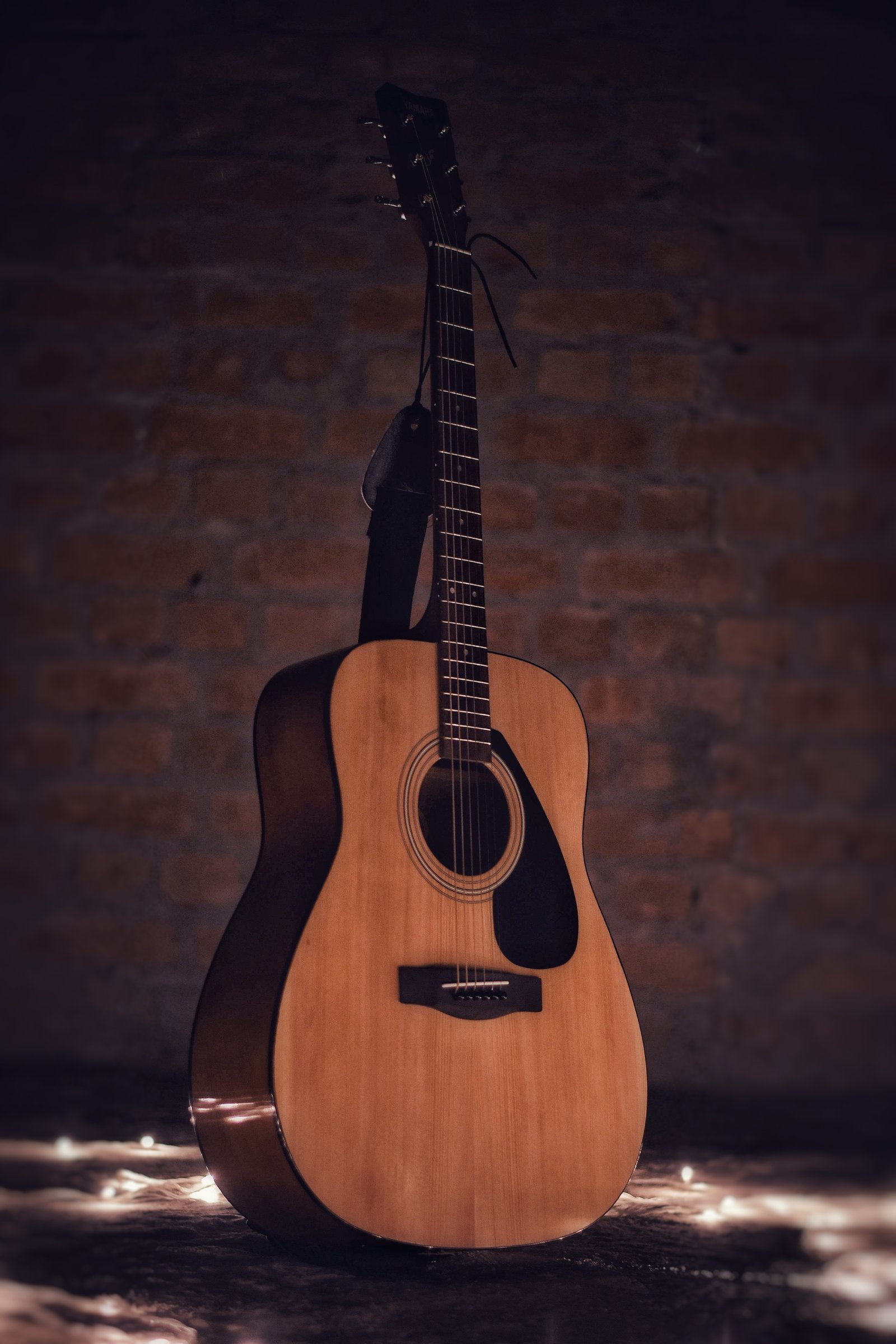
Introduction: Guitar history is a captivating journey that spans centuries, constantly evolving alongside the ever-changing landscape of music. Just as music styles and preferences have evolved, so have the colors and designs of guitars. In this blog post, we will delve into the fascinating connection between color trends and guitar history, exploring how they have influenced each other throughout time. 1. The Birth of Electric Guitars: The birth of the electric guitar in the early 1930s introduced a new era of possibilities for musicians. With this innovation came an opportunity for guitar manufacturers to experiment with design, including the use of new color finishes. The first electric guitars were typically seen in natural wood finishes, but as popular music genres adopted the instrument, manufacturers began exploring new colors to match the evolving tastes of musicians and their audiences. 2. The Influence of Popular Music Genres: Throughout the 1950s and 1960s, various music genres, such as rock 'n' roll, surf rock, and rhythm & blues, dominated the airwaves. This influx of new musical styles had a profound impact on the design and aesthetics of guitars. Bright colors like sunburst, seafoam green, and candy apple red became popular choices, reflecting the vibrant energy and rebellious spirit of the era. 3. The Psychedelic Era: As the counterculture movement gained momentum in the late 1960s, so did the desire for self-expression through music and personal style. This era saw the rise of psychedelic rock, and with it, the emergence of guitars featuring wild color schemes inspired by hallucinogenic art and motifs. Colors like bright orange, purple, and neon green became synonymous with the 1960s music scene, epitomizing a new era of creativity and expression. 4. The Minimalist Trend: In the 1970s and 1980s, a shift towards minimalism and simplicity took hold in both fashion and music. Guitars, too, embraced this trend, with manufacturers opting for more refined color palettes. Black, white, and natural finishes became popular choices during this period, reflecting a desire for a clean and timeless aesthetic. 5. The Resurgence of Vintage: In recent years, there has been a resurgence of interest in vintage aesthetics in both fashion and music. This revival has extended to guitar design, with a renewed appreciation for the classic finishes of the past. Colors like sunburst, vintage white, and butterscotch blonde have once again gained popularity, offering a nostalgic nod to the golden age of rock 'n' roll. Conclusion: The connection between color trends and guitar history is inseparable. Just as music evolves, so does the visual representation of the instruments that create it. From the vibrant hues of the 1960s psychedelic era to the simplicity of the minimalist trend, colors have played an integral role in defining the personality and style of guitars throughout history. Whether inspired by cultural movements or individual expressions, the colors of guitars reflect the ever-changing landscape of music and continue to shape the instruments we know and love today. For a broader exploration, take a look at http://www.colorsshow.com
Leave a Comment:
SEARCH
Recent News
- Zurich, Switzerland is a vibrant city known for its rich cultural scene and diverse music offerings. One unique aspect of Zurich's music scene is the presence of Sudanese music, which has found a home in the city's melting pot of cultures.
- Visiting Zurich, Switzerland, can be an enriching experience for music lovers from all corners of the world. While the city may not be the first place that comes to mind when thinking about South African music, Zurich's diverse music scene offers a glimpse into the vibrant sounds of this African nation.
- Zurich, Switzerland is a vibrant city known for its stunning architecture, picturesque landscapes, and rich culture. One aspect of Zurich's cultural scene that often goes under the radar is its regional music. The city and its surrounding areas are home to a diverse range of musical styles, reflecting the multiculturalism and artistic diversity of the region.
- Zurich, Switzerland: Discovering the Vibrant Norwegian Music Scene
- Zurich, Switzerland: A Hub for Estonian Music
- YouTube Content Creation and Translation: Bringing Sudanese Music to a Global Audience
- YouTube has become a powerful platform for content creators to share their work with a global audience. One area that has seen significant growth in recent years is the creation and translation of South African music content on the platform. South Africa has a rich and diverse musical landscape, ranging from traditional to modern genres, and YouTube has provided a space for South African artists to showcase their talent to the world.
- YouTube has become a popular platform for content creators to showcase their talents to a global audience. One area of YouTube content creation that has been gaining traction is regional music. With the ability to reach viewers all around the world, YouTube offers a unique opportunity for musicians and artists to share their culture and music with a diverse audience.
READ MORE
3 months ago Category : fguitars

Zurich, Switzerland is a vibrant city known for its rich cultural scene and diverse music offerings. One unique aspect of Zurich's music scene is the presence of Sudanese music, which has found a home in the city's melting pot of cultures.
Read More →3 months ago Category : fguitars

Visiting Zurich, Switzerland, can be an enriching experience for music lovers from all corners of the world. While the city may not be the first place that comes to mind when thinking about South African music, Zurich's diverse music scene offers a glimpse into the vibrant sounds of this African nation.
Read More →3 months ago Category : fguitars

Zurich, Switzerland is a vibrant city known for its stunning architecture, picturesque landscapes, and rich culture. One aspect of Zurich's cultural scene that often goes under the radar is its regional music. The city and its surrounding areas are home to a diverse range of musical styles, reflecting the multiculturalism and artistic diversity of the region.
Read More →3 months ago Category : fguitars
